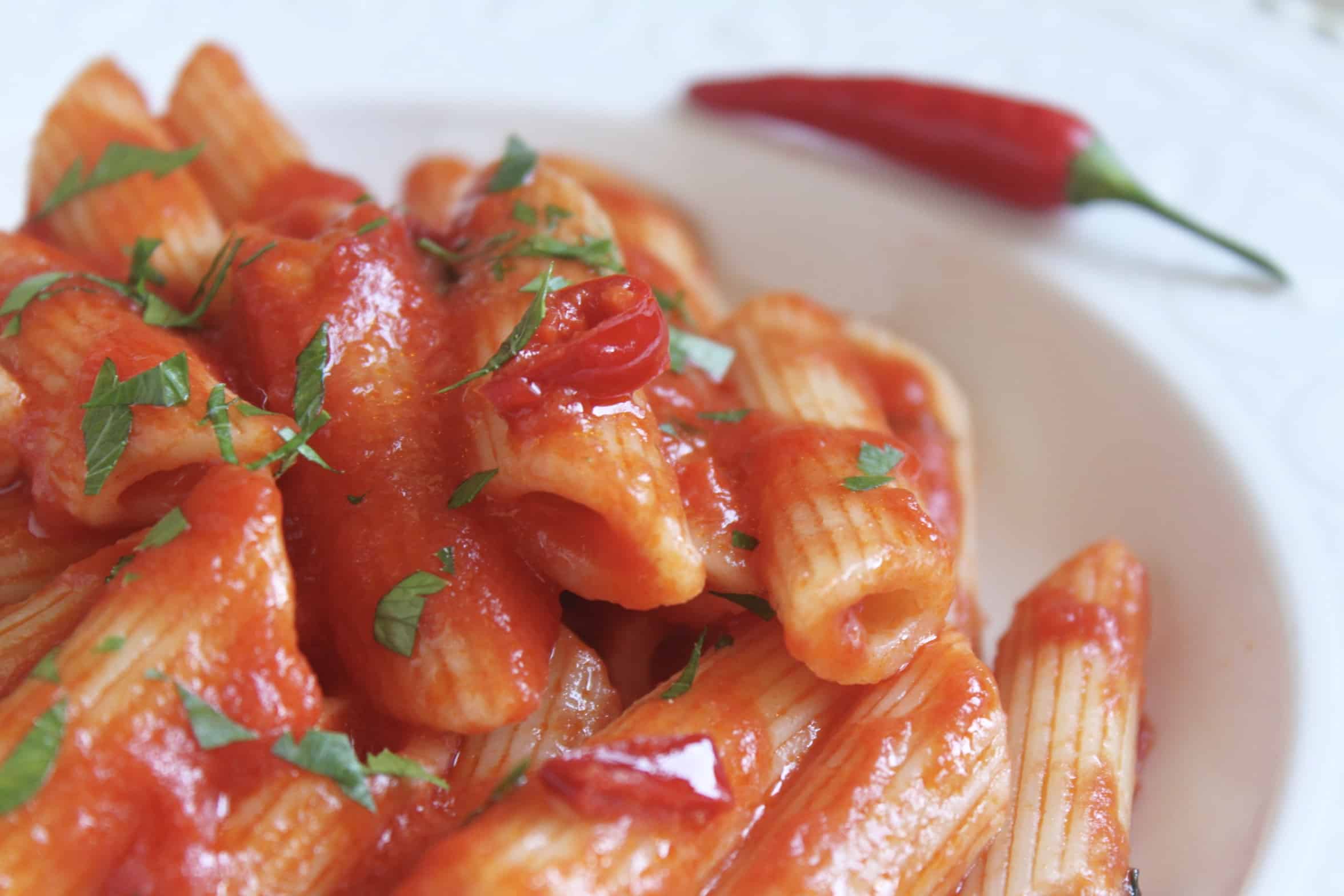
The Fiery Heart of Italian Cuisine: What is Pasta Arrabiata?
When one thinks of authentic Italian pasta dishes, images of rich carbonara, vibrant pesto, or hearty bolognese often come to mind. Yet, for those who crave a dish with a bold, spicy kick, pasta arrabiata stands out as a true culinary champion. Hailing from the Lazio region of Italy, particularly Rome, this iconic dish translates quite literally to "angry pasta" – a playful nod to the fiery heat imparted by generous amounts of chili pepper. At its core, pasta arrabiata is a testament to the beauty of simplicity. It typically features a relatively short list of humble ingredients: ripe tomatoes, pungent garlic, fragrant chili peppers (peperoncino), good quality extra virgin olive oil, and of course, a sturdy pasta, traditionally penne rigate. The magic lies in the masterful combination and execution of these elements, transforming them into a sauce that is both robust and intensely flavorful, with a captivating warmth that lingers on the palate. Unlike some of its more complex cousins, arrabiata sauce doesn't rely on cream, meat, or a multitude of vegetables. Its character is defined by the sharp acidity of tomatoes, the aromatic punch of garlic, and the unmistakable, exhilarating heat of the chili. This minimalist approach allows each ingredient to shine, creating a harmonious balance that has captivated palates worldwide for generations. Historically, it was a peasant dish, born out of necessity and the availability of basic, fresh ingredients, yet it has ascended to become a beloved staple in trattorias and home kitchens across the globe.Crafting the Perfect Heat: A Step-by-Step Guide to Authentic Pasta Arrabiata
Creating an authentic pasta arrabiata is less about following a rigid recipe and more about understanding the soul of the dish. It's about coaxing maximum flavor from minimal ingredients and balancing the heat with the sweetness of the tomatoes. Here’s how you can achieve that perfect "angry" bite in your own kitchen:Essential Ingredients for a Classic Pasta Arrabiata:
- Pasta: 400g (about 14 oz) penne rigate is traditional, but spaghetti, rigatoni, or even maccheroni can work beautifully.
- Tomatoes: 800g (about 28 oz) high-quality canned whole peeled San Marzano tomatoes, crushed by hand or roughly chopped. Alternatively, good quality crushed tomatoes will suffice.
- Garlic: 4-6 cloves, thinly sliced or minced. Adjust to your preference.
- Chili Peppers: 1-2 fresh red chilies (like bird's eye or serrano), thinly sliced, seeds in or out depending on desired heat, OR 1-2 teaspoons dried peperoncino flakes.
- Extra Virgin Olive Oil: 3-4 tablespoons, good quality is crucial for flavor.
- Fresh Parsley: A handful, finely chopped, for garnish.
- Salt: To taste, for both pasta water and sauce.
- Pecorino Romano Cheese (optional): Freshly grated, for serving.
Step-by-Step Instructions:
- Prepare Your Ingredients: Have all your ingredients prepped and within reach. This dish comes together quickly. If using whole canned tomatoes, gently crush them with your hands or a fork.
- Start the Sauce: Heat the extra virgin olive oil in a large skillet or wide pot over medium-low heat. Add the sliced garlic and chili peppers. Sauté gently for 2-3 minutes until the garlic is fragrant and lightly golden. Be careful not to burn the garlic, as it will turn bitter. The goal is to infuse the oil with the aromatic flavors and heat.
- Add the Tomatoes: Pour in the crushed tomatoes. Stir well to combine with the infused oil, garlic, and chili. Season with a pinch of salt. Bring the sauce to a gentle simmer, then reduce the heat to low and let it cook for at least 15-20 minutes, stirring occasionally. This allows the flavors to meld and deepen. For a smoother sauce, you can lightly crush any larger tomato pieces with the back of your spoon.
- Cook the Pasta: While the sauce simmers, bring a large pot of heavily salted water to a rolling boil. Add the pasta and cook according to package directions until al dente – still firm to the bite. Before draining, reserve about 1-2 cups of the starchy pasta cooking water. This liquid is a secret weapon for achieving a silky, emulsified sauce.
- Combine Pasta and Sauce: Drain the cooked pasta and immediately add it directly to the simmering arrabiata sauce. Toss vigorously to coat every strand or piece of pasta. Add a splash or two of the reserved pasta cooking water as needed to loosen the sauce and create a smooth, glossy consistency that clings beautifully to the pasta. Continue to toss for 1-2 minutes over low heat, allowing the pasta to absorb the sauce's flavors.
- Finish and Serve: Remove from heat. Stir in about half of the fresh chopped parsley. Taste and adjust seasoning if necessary. Serve immediately, garnished with the remaining fresh parsley and, if desired, a generous grating of Pecorino Romano cheese.
Beyond the Basics: Tips, Variations, and Pairings for Your Arrabiata
While the classic pasta arrabiata is a masterpiece in its own right, understanding its nuances and exploring thoughtful variations can elevate your cooking experience. Here are some tips, twists, and pairing suggestions to enhance your arrabiata journey.Tips for Mastering Your Arrabiata:
- Quality of Ingredients: This cannot be stressed enough. High-quality San Marzano tomatoes make a noticeable difference. Good extra virgin olive oil is also paramount.
- Adjusting the Heat: The "angry" level is subjective. For more heat, keep the chili seeds in, or add more chilies/flakes. For less, remove the seeds and membranes, or use fewer chilies. You can also toast the dried chili flakes in the olive oil for a minute before adding garlic to deepen their flavor.
- Pasta Water is Gold: Never underestimate the power of starchy pasta water. It helps emulsify the sauce, making it cling better to the pasta and enriching its texture.
- Don't Rush the Simmer: While a quick dish, allowing the sauce to simmer for at least 15-20 minutes lets the flavors fully develop and meld.
- Sweetness Balance: If your tomatoes are a bit acidic, a tiny pinch of sugar (less than half a teaspoon) can balance the sauce, though traditionalists often skip this.
Creative Variations:
While strict traditionalists might raise an eyebrow, these additions can introduce new dimensions to your pasta arrabiata:
- Aromatics: A finely chopped shallot or a small amount of onion can be sautéed with the garlic for a deeper aromatic base.
- Briny Notes: A few pitted black olives or capers added to the sauce can introduce a delightful briny counterpoint to the heat.
- Protein Boost: For those who desire meat, a small amount of pancetta or guanciale, rendered crisp before adding the garlic, can lend a savory depth. This moves it slightly away from pure arrabiata but is a delicious adaptation.
- Different Herbs: While parsley is standard, a tiny hint of fresh oregano or basil at the very end can offer a different herbaceous note.
- Vegetable Additions: Sautéed zucchini or eggplant cubes can be a nice addition for a more substantial meal, absorbing the spicy tomato flavor beautifully.
For a deeper dive into selecting the perfect pasta shape for spicy sauces and how it impacts the sauce's cling, explore our guide in pasta arrabiata - Article 2. If you're curious about the history and different types of Italian chili peppers that give this dish its kick, you might enjoy reading pasta arrabiata - Article 3.
Perfect Pairings:
- Wine: A simple, dry red wine with good acidity like a Chianti, Montepulciano d'Abruzzo, or a Barbera will complement the sauce without overpowering it. A dry rosé can also be a refreshing choice.
- Side Dishes: A crisp green salad with a simple vinaigrette provides a refreshing contrast to the spicy pasta. Crusty Italian bread is essential for soaking up any leftover sauce.
- Cheese: While optional, a generous grating of Pecorino Romano cheese adds a salty, tangy depth that beautifully complements the arrabiata. Parmigiano-Reggiano is also a popular choice, offering a milder, nuttier flavor.
