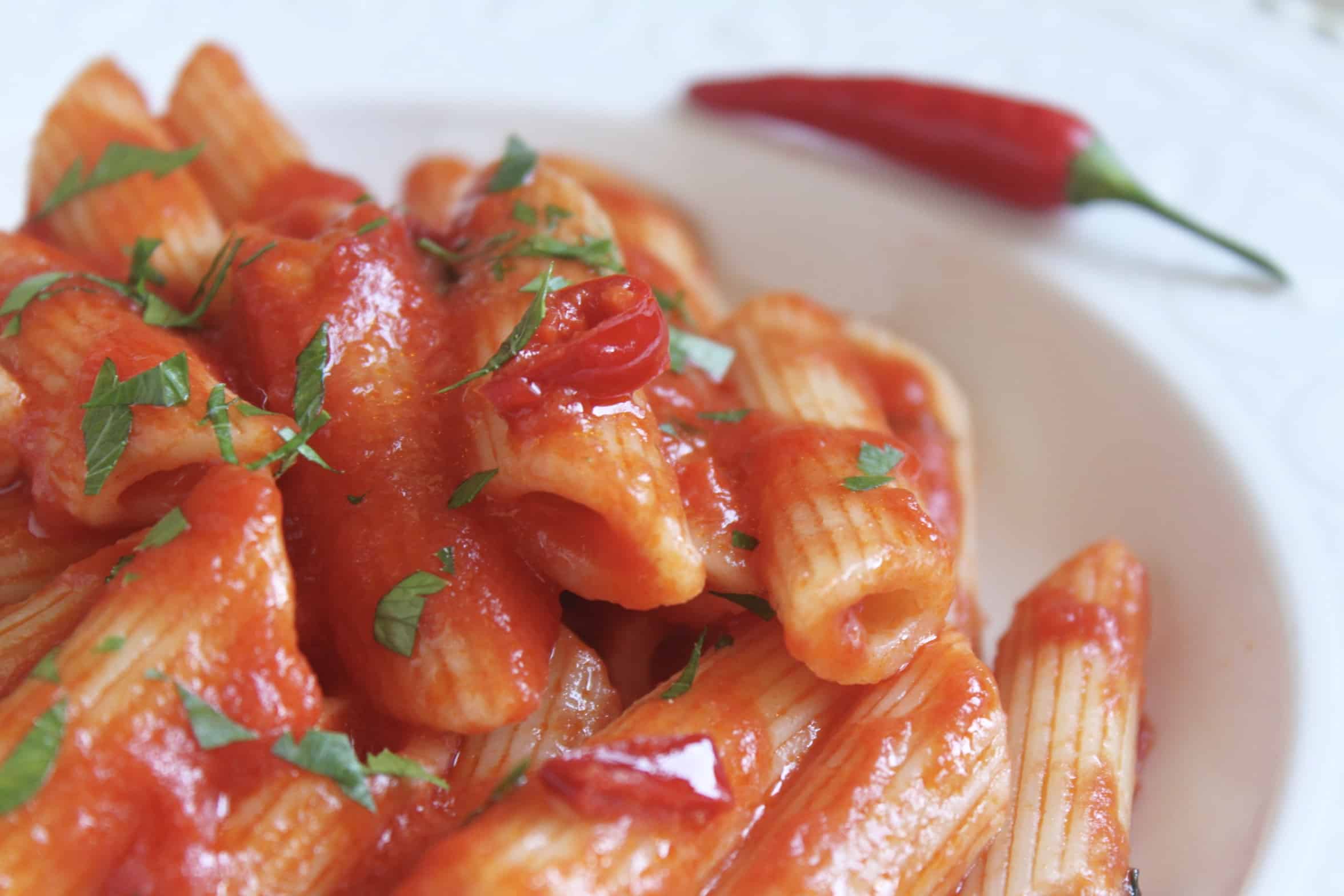
The Art of Perfecting Pasta Arrabiata: A Deeper Dive
Few dishes encapsulate the rustic charm and bold flavors of Italian cuisine quite like Pasta Arrabiata. Its name, meaning "angry pasta," perfectly describes the fiery kick delivered by vibrant chili peppers. While seemingly simple – a handful of ingredients, a quick preparation – mastering the true essence of this Roman classic goes beyond merely combining pasta and spicy tomato sauce. This article delves deeper into the nuances, offering expert tips and insights to elevate your homemade pasta arrabiata from good to truly unforgettable. Whether you're a seasoned cook or a curious beginner, get ready to unlock the secrets to a sauce that sings with authentic Italian passion and heat.
Mastering the Fiery Sauce: Unlocking Arrabiata's True Flavor
The heart and soul of any great pasta arrabiata lies undeniably in its sauce. It's a delicate balance of heat, sweetness, and savory depth, where each ingredient plays a crucial role. Achieving that perfect harmony requires attention to detail and a commitment to quality.
The Foundation: Quality Tomatoes
- San Marzano Tomatoes: The gold standard for Italian sauces, these plum tomatoes from the Agro Sarnese-Nocerino region boast a sweet, balanced flavor and low acidity. Opt for whole, peeled San Marzanos (D.O.P. certified if possible) and crush them by hand for a rustic texture and superior taste.
- Crushed vs. Diced: While diced tomatoes offer convenience, whole tomatoes generally yield a fresher, less processed flavor. Crushing them yourself allows you to control the consistency, preventing a watery sauce.
- Fresh vs. Canned: When tomatoes are in peak season, using fresh, ripe Roma tomatoes can be a delightful alternative. However, for consistency and depth outside of summer, high-quality canned tomatoes are often superior to out-of-season fresh ones.
Allowing the tomatoes to simmer slowly is key. This process not only thickens the sauce but also deepens its flavor, allowing the natural sugars to caramelize slightly and mellow any acidity. Don't rush this step – a minimum of 20-30 minutes of gentle simmering is essential.
The Heat Source: Chiles Done Right
The "angry" in pasta arrabiata comes from the chili, traditionally peperoncino. This isn't just about adding heat; it's about infusing the sauce with a warm, pervasive spice that excites the palate without overwhelming it.
- Dried Peperoncino: Most commonly used, dried peperoncino flakes (crushed red pepper) or whole dried chiles offer a consistent, robust heat. When using whole chiles, consider making a small incision to release more seeds and heat, or leave them whole for a milder infusion.
- Fresh Chiles: For a brighter, more vibrant heat, a small fresh red chili like a Calabrian chili or a bird's eye chili can be used. Be mindful of their potency; a little goes a long way. Slice them thinly or finely chop them.
- Controlling Spice Level: The amount of chili, whether you include seeds, and how long it simmers will dictate the final spice level. Start conservatively and add more if you prefer a fierier kick. Remember, you can always add more heat, but it's hard to take it away.
The chili should be gently sautéed in olive oil with garlic at the beginning. This process, known as blooming, releases the chili's essential oils and infuses the olive oil with its distinctive flavor, creating a foundation for the sauce.
Garlic, Olive Oil, and the Sauté
These unsung heroes form the aromatic backbone of the arrabiata sauce:
- Extra Virgin Olive Oil: Use a good quality, flavorful extra virgin olive oil. It's not just a cooking medium; it's an ingredient that contributes significantly to the final taste.
- Garlic: Fresh garlic, thinly sliced or finely chopped, is a must. Sauté it gently over medium-low heat until fragrant and lightly golden, being very careful not to burn it, which would impart a bitter taste. The goal is to infuse the oil with its aroma, not to crisp it.
- The Sauté Technique: Start by heating the olive oil, then add the garlic and chili. Let them gently sizzle for a minute or two until fragrant. This initial infusion is crucial for building layers of flavor in your pasta arrabiata.
From Pantry to Plate: Choosing the Right Ingredients for Success
While the sauce is paramount, the other components of your pasta arrabiata are equally important in creating a harmonious and authentic dish. The choice of pasta, the minimal use of cheese, and fresh garnishes all play a part.
The Pasta: Shape Matters
For pasta arrabiata, certain shapes are traditionally preferred for their ability to perfectly cradle the spicy tomato sauce.
- Penne Rigate: This tubular pasta with ridges is the quintessential choice for arrabiata. The ridges and hollow interior are perfect for catching and holding the chunky, fiery sauce.
- Rigatoni: Similar to penne but wider, rigatoni also does an excellent job of scooping up the sauce.
- Spaghetti or Bucatini: While less traditional, long pastas can also be used, especially if you prefer a smoother sauce. Bucatini, with its hollow center, offers a pleasing texture.
Regardless of the shape, always cook your pasta al dente – firm to the bite. It will finish cooking in the sauce, absorbing its flavors and creating a cohesive dish. Always reserve some pasta cooking water; its starchiness is invaluable for emulsifying the sauce and achieving the perfect consistency.
The Cheese Conundrum (or lack thereof)
This is where tradition often clashes with common practice. Purists will argue that authentic pasta arrabiata does not typically include cheese. The bold flavors of garlic, chili, and tomato are meant to shine unadorned.
- No Cheese: Embracing the traditional approach highlights the purity and intensity of the arrabiata sauce itself.
- If You Must: If you truly crave cheese, choose Pecorino Romano over Parmigiano Reggiano. Pecorino Romano, made from sheep's milk, offers a sharper, saltier tang that complements the spicy sauce better than the nutty sweetness of Parmesan. Grate it sparingly just before serving.
Understanding the rationale behind this tradition allows you to make an informed choice for your own palate, but for a truly authentic experience, try it without.
Fresh Herbs and Garnishes
A final touch of freshness can brighten the dish and add an aromatic counterpoint to the heat.
- Fresh Parsley: Finely chopped fresh Italian flat-leaf parsley is the most common and recommended garnish. It adds a vibrant color and a fresh, herbaceous note that cleanses the palate.
- Basil: While less traditional for arrabiata, some enjoy a few torn fresh basil leaves for their sweet, peppery aroma.
- Final Drizzle of EVOO: A light drizzle of high-quality extra virgin olive oil just before serving can enhance the dish's aroma and add a luxurious finish.
For a foundational understanding of this beloved dish, including its fascinating origins, be sure to read our pasta arrabiata - Article 1. There, you'll find the basic recipe and historical context that sets the stage for these advanced techniques.
Beyond the Classic: Creative Variations and Serving Suggestions
While the classic pasta arrabiata is a masterpiece in its own right, its robust flavor profile makes it surprisingly versatile. Here are some ideas to adapt it to your taste or turn it into a more substantial meal.
Spice Level Adjustments
- Milder Version: Reduce the amount of chili flakes, remove the seeds from fresh chiles, or even use a less potent variety. Adding a pinch of sugar or a splash of white wine at the tomato stage can also help balance the heat.
- Extra Fiery: For those who love intense heat, consider adding a dash of Calabrian chili paste or a few drops of hot sauce (though less traditional) at the end, or simply increase the quantity of peperoncino.
Protein and Vegetable Additions
While the classic is vegetarian, adding protein or extra vegetables can turn pasta arrabiata into a more complete meal.
- Pancetta or Guanciale: Crisp up diced pancetta or guanciale before adding the garlic and chili. The rendered fat adds incredible depth and richness to the sauce.
- Italian Sausage: Crumbled and browned spicy Italian sausage is another fantastic addition, complementing the sauce's heat.
- Seafood: Shrimp or calamari can be quickly sautéed and added to the finished sauce for a delicious seafood arrabiata.
- Vegetables: Sautéed eggplant, zucchini, bell peppers, or even roasted cherry tomatoes can be incorporated to add more texture and nutrients.
Serving and Pairing
Consider what you'll serve alongside your pasta arrabiata to complete the meal.
- Side Dishes: A simple green salad with a light vinaigrette offers a refreshing contrast. Crusty Italian bread or garlic bread is perfect for soaking up any leftover sauce.
- Wine Pairings: The spiciness of arrabiata calls for wines that can stand up to the heat without being overwhelmed. A dry Italian rosé (rosato), a light-to-medium-bodied red like a Sangiovese (Chianti or Rosso di Montalcino), or a crisp white like Vermentino can work well. Avoid heavily oaked or tannic wines.
- Beer Pairings: A crisp lager, a pale ale, or even a Belgian witbier can be refreshing against the spice.
- Non-Alcoholic: Sparkling water with a wedge of lemon or lime provides a clean, palate-cleansing option.
Common Arrabiata Pitfalls and How to Avoid Them
Even with the best intentions, things can go awry in the kitchen. Recognizing and avoiding common mistakes will ensure your pasta arrabiata consistently hits the mark.
Burnt Garlic or Chili
This is arguably the most common error. Burnt garlic turns bitter and can ruin the entire sauce. Always cook garlic and chili over *low to medium-low heat* and keep a close eye on them. They should become fragrant and lightly golden, not dark brown or crispy.
Undercooked or Overcooked Pasta
Undercooked pasta will be stiff and unpleasant, while overcooked pasta turns mushy and loses its texture. Always cook pasta al dente according to package directions, then finish it in the sauce for the last minute or two. This allows the pasta to absorb the sauce's flavors and achieve the perfect texture.
Bland Sauce
A bland sauce often stems from insufficient seasoning or low-quality ingredients.
- Season Liberally: Don't be shy with salt and freshly ground black pepper throughout the cooking process. Taste and adjust.
- Quality Tomatoes: As discussed, good tomatoes are crucial. If your canned tomatoes seem a bit flat, a tiny pinch of sugar can sometimes help balance them, but it shouldn't be a substitute for quality.
- Insufficient Heat Infusion: Ensure your garlic and chili have had enough time to bloom in the olive oil before adding tomatoes.
Too Much Watery Sauce
A good arrabiata sauce should cling to the pasta, not pool at the bottom of the plate. If your sauce is too thin:
- Reduce: Allow the sauce to simmer uncovered for longer to reduce and thicken.
- Pasta Water: Use the starchy pasta water judiciously. Add it gradually, a ladleful at a time, to achieve the desired consistency, emulsifying it with the sauce and coating the pasta. Avoid adding plain tap water, which will dilute the flavor.
To further explore advanced techniques and alternative preparations, check out pasta arrabiata - Article 3, where we delve into more experimental variations and gourmet touches.
Conclusion
Mastering pasta arrabiata is a journey that celebrates simplicity, bold flavors, and meticulous technique. From selecting the finest San Marzano tomatoes and understanding the nuanced heat of peperoncino, to choosing the right pasta shape and avoiding common pitfalls, each step contributes to an unforgettable culinary experience. This isn't just a recipe; it's an art form that, when perfected, delivers a dish that is deeply satisfying, wonderfully spicy, and truly authentic. So, roll up your sleeves, embrace the fiery spirit of the "angry pasta," and prepare to delight your senses with a homemade arrabiata that rivals the best of Italy.
